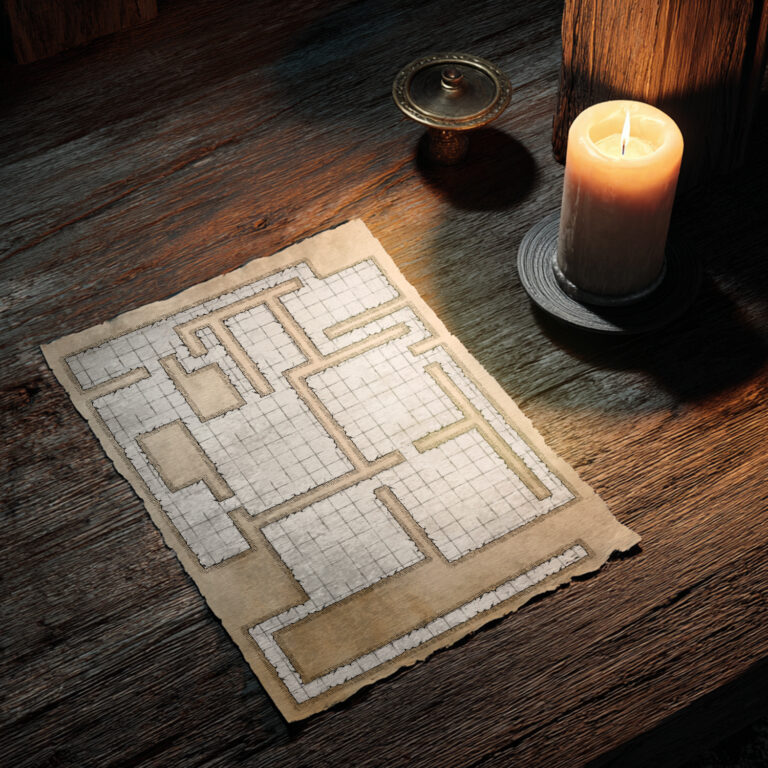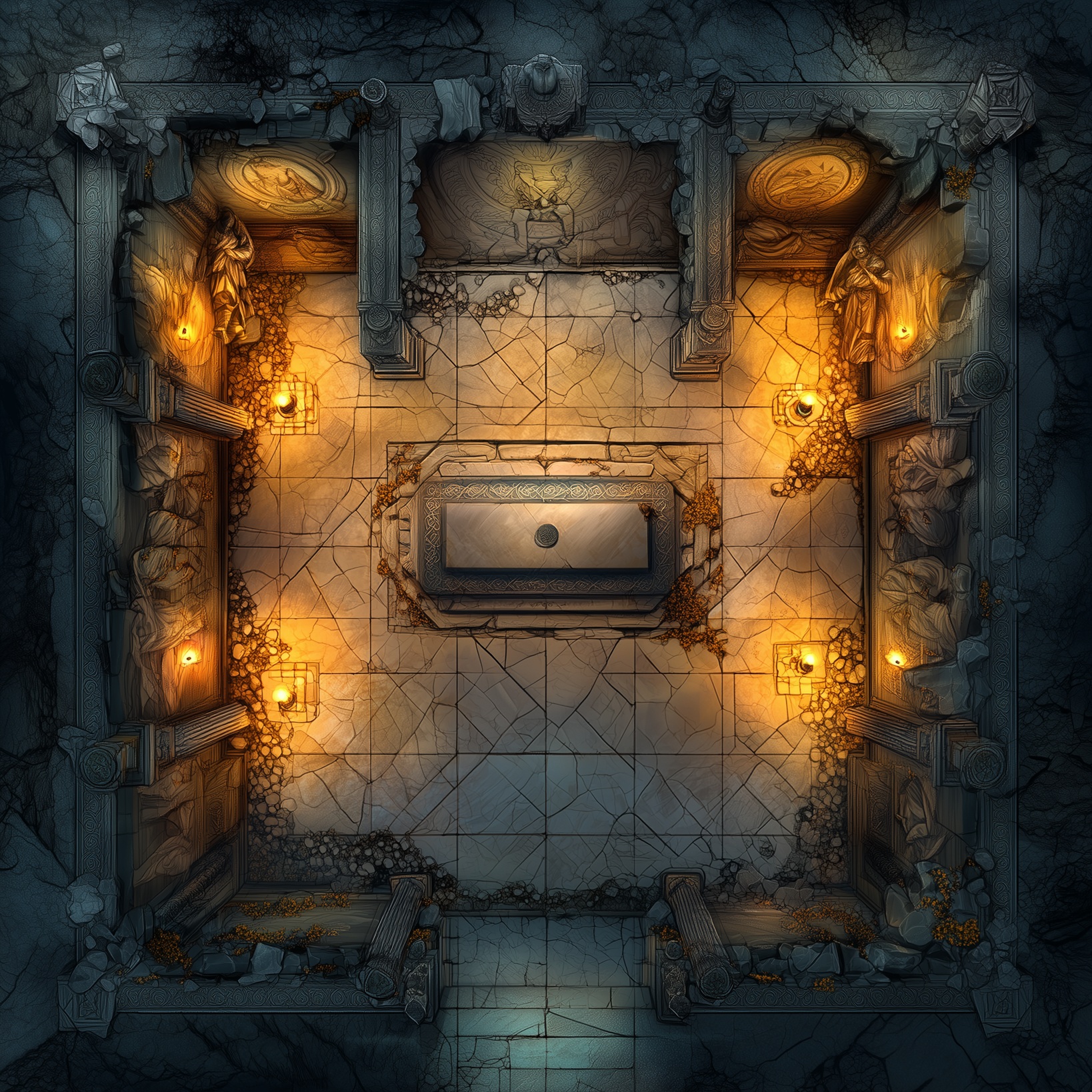
3 Common Dungeon Design Mistakes and How to Avoid Them
Designing a dungeon can be a lot of fun, but it’s easy to fall into traps that make the experience less engaging for your players. Here are three of the most common mistakes in dungeon design and how to fix them.
Lack of Logical Structure
The problem:
Dungeons that make no sense — rooms without doors, staircases that lead nowhere, or areas with no facilities for long-term use.
How to avoid it:
Think about who built the dungeon and what its purpose was. Add practical elements like storage rooms, sleeping quarters, water sources, or ventilation. A dungeon that makes spatial sense will feel more immersive and believable.
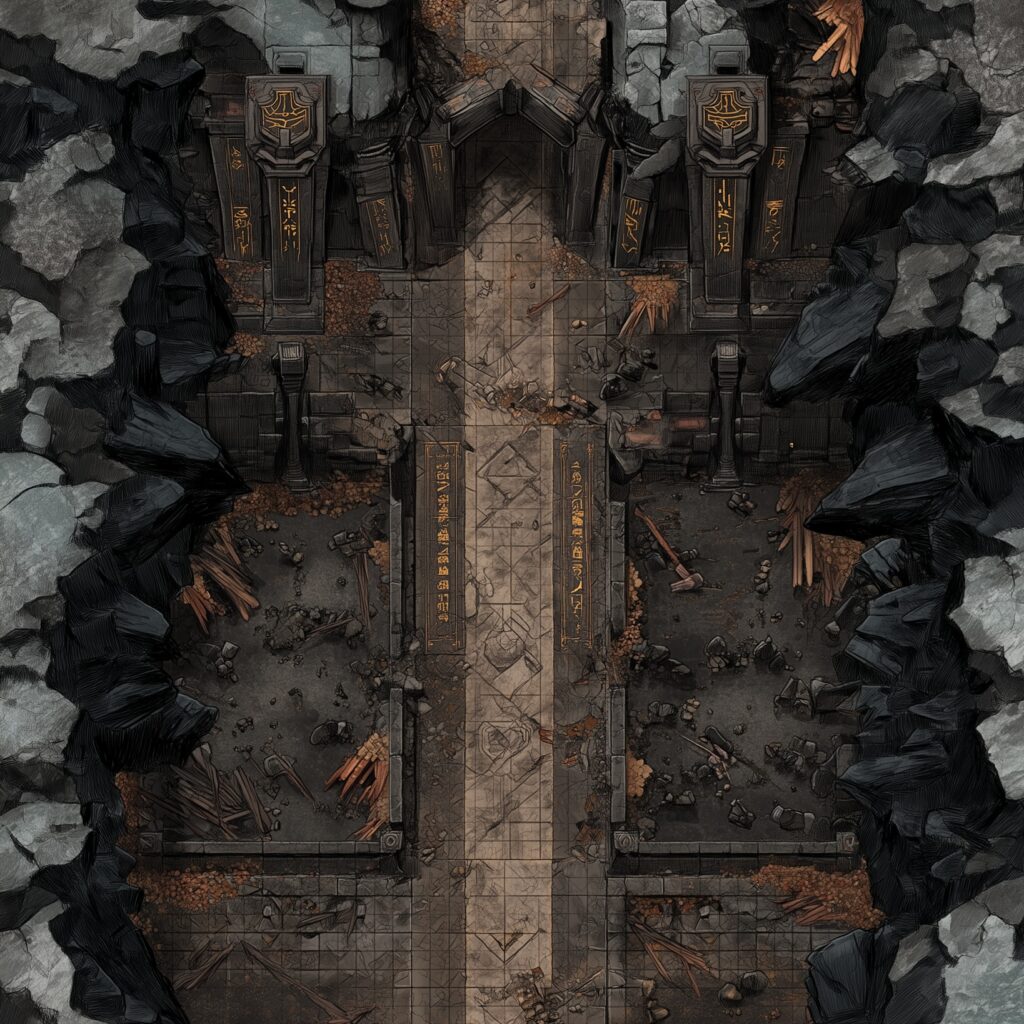
Too Linear
The problem:
Players move through the dungeon in a straight line, going from one room to the next with no real choices or exploration.
How to avoid it:
Add branches, hidden passages, loops, and shortcuts. Let players decide which way to go. A well-designed dungeon should encourage exploration and reward decision-making.
Too Much Combat
The problem:
Every corridor or room contains an enemy, turning the game into a long series of battles.
How to avoid it:
Balance combat with exploration, puzzles, and meaningful interactions. A great dungeon should include variety. Reward creative thinking and problem-solving — not just attack rolls.
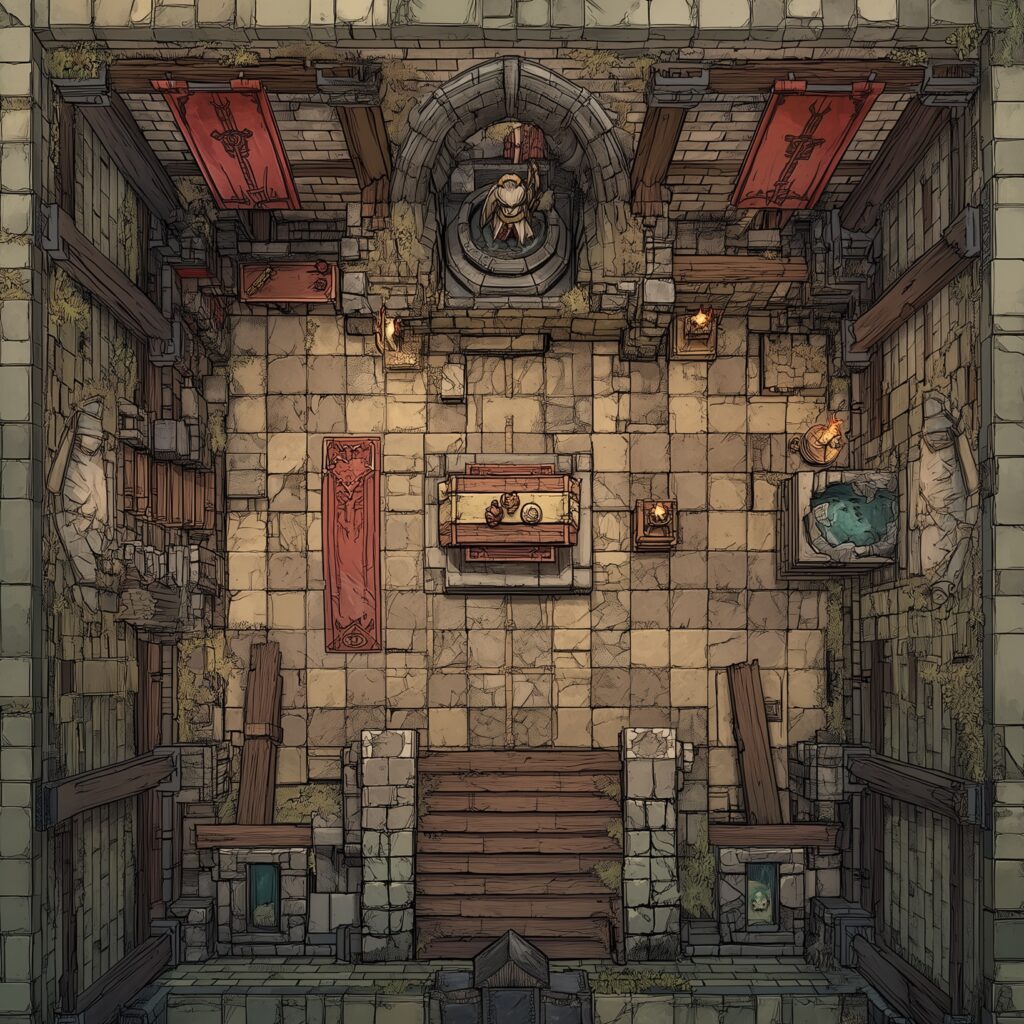
A good dungeon is more than just walls and corridors. It’s a space with history, decisions, and challenges that spark imagination. When designing your next dungeon map, focus on logic, non-linearity, and variety. That’s how you turn a simple layout into a memorable adventure.